
Calgary’s hemp-derived CBD market presents a compelling investment opportunity in 2026, driven by evolving federal regulations, growing consumer acceptance, and the city’s strategic position as a business hub with access to both domestic and international markets. Investors can shop hemp online to understand market offerings while exploring entry opportunities through cultivation partnerships, processing infrastructure, retail distribution, or product development, with initial capital requirements ranging from modest retail investments to seven-figure processing facilities.
The regulatory landscape has matured significantly since legalization, creating clearer pathways for compliant business operations while consumer demand continues to expand beyond wellness products into mainstream retail, food and beverage applications, and therapeutic markets. Those who purchase hemp products online or in physical stores represent a diverse demographic that includes health-conscious millennials, aging populations seeking natural alternatives, and athletes exploring recovery solutions.
Calgary offers distinct advantages for CBD business investment. The region’s established agricultural expertise, proximity to hemp-growing areas across Alberta, and sophisticated logistics infrastructure support efficient supply chain operations. The city’s business-friendly environment, combined with access to skilled professionals in regulatory compliance, extraction technology, and product development, positions investors to build scalable operations with strong growth potential.
Success in this market requires understanding Health Canada’s strict regulatory framework, securing reliable supply relationships with licensed hemp producers, and developing distribution channels that build consumer trust. The Calgary Regional Partnership facilitates these connections, linking investors with local industry experts, regulatory advisors, and potential partners across the value chain.
The opportunity extends beyond quick returns. Building a sustainable CBD business in Calgary means contributing to a sector that supports local agriculture, creates skilled employment, and positions the region as a leader in cannabis-derived product innovation.
Understanding the Hemp-Derived CBD Landscape in Calgary
Regulatory Framework and Compliance Requirements
Canada’s regulatory framework for hemp-derived CBD operates under dual oversight, with Health Canada managing federal licensing while Alberta Agriculture and Irrigation handles provincial requirements. For investors entering Calgary’s market, understanding this structure is critical before deploying capital.
At the federal level, industrial hemp cultivation requires a licence from Health Canada under the Industrial Hemp Regulations. These licences cover growing, importing, and processing hemp containing no more than 0.3% THC in flowering heads and leaves. Processors extracting CBD must obtain a separate Hemp Processing Licence, which involves facility inspections, security protocols, and detailed record-keeping systems. The approval process typically takes four to six months, requiring comprehensive business plans and security clearances for key personnel.
Alberta’s provincial regulations govern production standards, testing requirements, and quality control measures. All hemp-derived CBD products intended for human consumption must comply with the Cannabis Act and the Food and Drugs Act, depending on product classification. Products making health claims face additional scrutiny under Natural Health Product regulations, requiring separate approvals that can extend timelines by six to twelve months.
Market access hinges on compliance with Good Manufacturing Practices and third-party laboratory testing for potency, contaminants, and consistency. Calgary businesses must maintain detailed batch records, implement traceability systems, and submit to regular inspections. Non-compliance can result in licence suspension or revocation, making regulatory expertise a necessary operational expense that investors should budget for from day one.
Market Size and Growth Projections
Canada’s hemp-derived CBD market reached $521 million in 2025 and analysts project growth to $1.2 billion by 2030, representing a compound annual growth rate of 18.2%. Western Canada accounts for roughly 35% of national sales, with Alberta capturing approximately $65 million in annual CBD product revenue as of late 2025.
Calgary’s market position is particularly noteworthy. The city serves as a distribution hub for Western Canadian CBD products, with retail sales in the Calgary metropolitan area exceeding $18 million annually. This figure doesn’t capture the full economic picture, manufacturing, processing, and wholesale activities add substantial value that doesn’t appear in consumer-facing data.
Consumer adoption drives these numbers. Recent surveys indicate that 22% of Calgary adults have used CBD products in the past year, up from 14% in 2023. The demographic skews toward 25-54 year olds seeking wellness solutions, with topicals and tinctures dominating product preferences.
Growth drivers remain strong. Expanding product categories, increasing retail distribution, growing consumer education, and continued regulatory refinement all support sustained market expansion. Conservative projections suggest Calgary’s CBD market will double by 2028, creating substantial opportunities across the value chain for investors who enter now.
Investment Opportunities Across the Hemp-Derived CBD Value Chain
Cultivation and Processing Operations
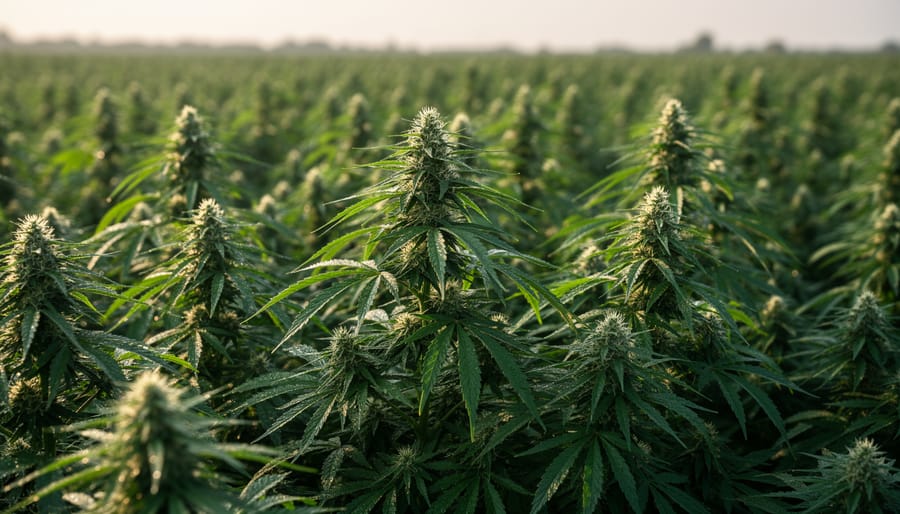
The upstream segment of Calgary’s hemp-derived CBD value chain presents compelling investment opportunities for those willing to commit significant capital to land-intensive operations. Hemp cultivation requires between 50 to 500 acres for commercial viability, with land costs in the Calgary region ranging from $2,000 to $4,500 per acre depending on proximity to the city and existing infrastructure. The region’s short but intense growing season (typically May through September) suits hemp’s 120-day maturation cycle, and the agricultural expertise already present in southern Alberta translates well to hemp production.
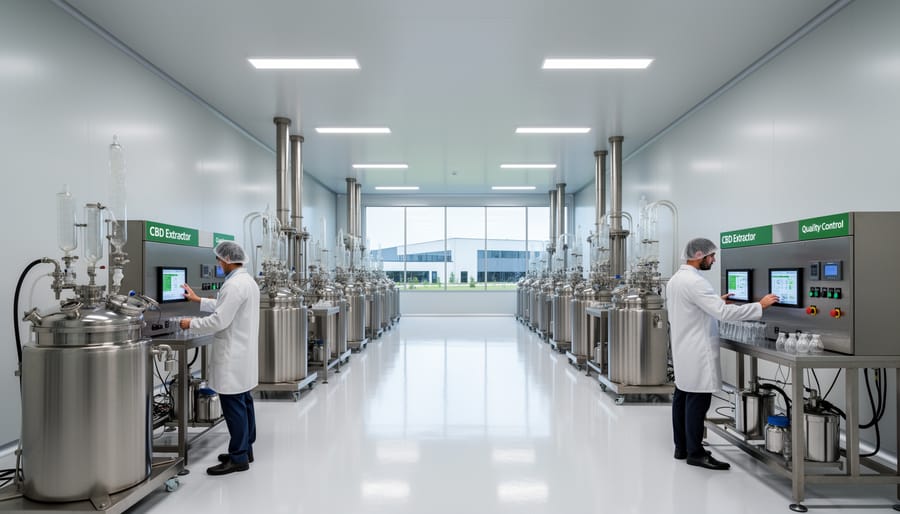
Extraction and processing facilities represent the value-creation pivot point in the supply chain. Initial capital requirements for a mid-scale extraction operation start around $1.5 million for equipment, facility modifications, and compliance infrastructure. CO2 and ethanol extraction systems dominate the market, with CO2 offering higher purity but requiring greater upfront investment. Processing capacity directly impacts per-unit costs, making scale crucial for profitability.
Calgary’s industrial zones offer affordable real estate for processing facilities, with access to reliable power and water supplies. Zoning regulations permit agricultural processing in specific districts, though investors must secure Health Canada licensing and navigate Good Manufacturing Practice requirements. Facilities typically require 5,000 to 15,000 square feet depending on throughput targets. Integration between cultivation and processing operations significantly improves margins by eliminating third-party processing costs, though this vertical integration demands additional expertise and capital.
Product Development and Manufacturing
Calgary’s hemp-derived CBD product development and manufacturing sector presents compelling opportunities for investors willing to move beyond commodity extraction into higher-margin consumer goods. The wellness products category shows particularly strong promise, with CBD-infused supplements, tinctures, and capsules commanding retail prices 300-500% above raw ingredient costs when properly formulated and branded.
Beverage manufacturing represents another growth avenue. CBD-infused drinks, from sparkling waters to functional beverages targeting stress relief and sleep support, appeal to consumers seeking alternatives to alcohol and traditional supplements. Production partnerships with existing beverage manufacturers can reduce capital requirements while accelerating market entry.
Topical products, including creams, balms, and skincare items, benefit from Calgary’s proximity to natural health product expertise and contract manufacturing capabilities. These products typically face fewer regulatory hurdles than ingestibles while maintaining strong margins.
Market differentiation hinges on three factors: demonstrable quality through third-party testing, compelling brand narratives that resonate with specific consumer segments, and innovative delivery mechanisms or formulations that solve real problems. Investors should prioritize manufacturers with robust quality control systems and clear intellectual property around formulations or processes. Companies that establish repeatable, scalable production while building recognizable brands positioned for retail expansion will capture the greatest value in Calgary’s maturing CBD market.
Distribution and Retail Channels
The distribution and retail segment represents a strategic entry point for investors seeking lower capital requirements compared to cultivation or manufacturing. Calgary’s position as Western Canada’s logistics hub creates natural advantages for establishing distribution networks that serve not only the city’s 1.6 million residents but also surrounding communities across Alberta and Saskatchewan.
Physical retail remains viable despite e-commerce growth, with specialty health stores, pharmacies, and dedicated CBD shops capturing customers who prefer in-person consultation and immediate product access. Retail locations in Calgary’s established commercial districts typically require $75,000-$200,000 in startup capital, with margins of 30-50% on premium CBD products.
E-commerce platforms offer scalability with lower overhead, though success demands investment in digital marketing, customer education content, and efficient fulfillment infrastructure. Calgary-based online retailers benefit from the city’s warehouse availability and proximity to major shipping routes.
Distribution partnerships with established wellness retailers, fitness centers, and medical clinics provide recurring revenue streams while building market presence. The key is securing exclusive or preferred supplier agreements with retail networks before larger competitors dominate shelf space. Investors should prioritize compliance expertise and quality assurance systems that differentiate their distribution operations in an increasingly crowded market.
Calgary’s Competitive Advantages for Hemp-Derived CBD Business
Infrastructure and Supply Chain Benefits
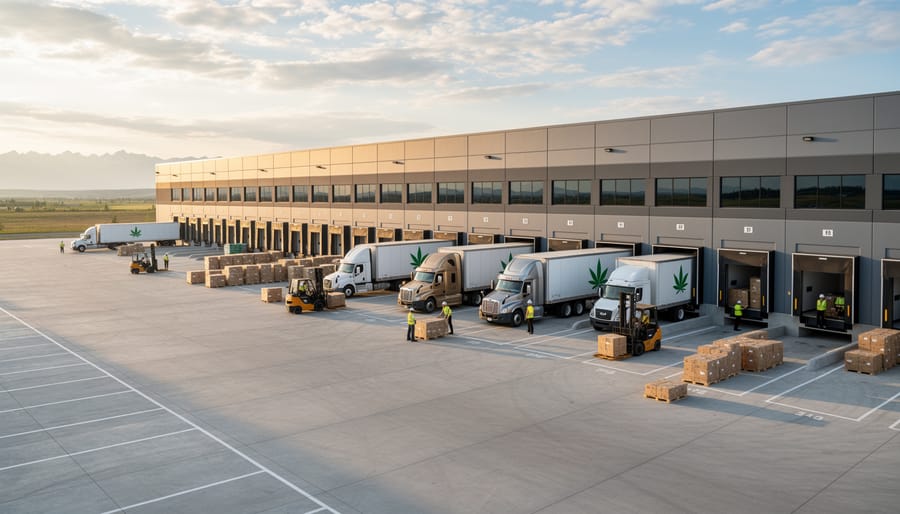
Calgary’s strategic position as a major transportation hub creates significant cost advantages for hemp-derived CBD operations. The city sits at the intersection of two major Canadian Pacific Railway lines and the Trans-Canada Highway, providing efficient east-west distribution across Canada. Calgary International Airport offers direct cargo routes to key markets in Asia and the United States, crucial for businesses targeting export opportunities or importing specialized equipment.
The city’s established industrial zones in areas like Foothills and East Calgary offer ready-made infrastructure including warehouse space, processing facilities, and utilities designed for agricultural processing. Many of these properties previously served food and beverage manufacturing, requiring minimal retrofitting for CBD extraction and product manufacturing.
Alberta’s deep agricultural roots provide another practical advantage. The province has generations of expertise in crop cultivation, grain handling, and agricultural processing. This translates to available consulting services, experienced agronomists, and established supply chains for inputs like packaging materials and testing services. Hemp farmers can leverage existing grain elevator networks for storage and initial processing, reducing the need for entirely new infrastructure investments.
Workforce and Expertise Availability
Calgary’s hemp-derived CBD sector benefits from an established labour pool spanning multiple relevant industries. The city’s agricultural heritage means experienced agronomists, crop scientists, and cultivation specialists understand plant genetics and growing conditions, expertise that translates directly to hemp production. Meanwhile, Calgary’s pharmaceutical and biotech sectors supply quality control technicians, extraction specialists, and regulatory compliance professionals who grasp the exacting standards required for CBD manufacturing.
Strong workforce availability extends beyond experienced professionals. Local post-secondary institutions including the University of Calgary, SAIT, and Mount Royal University produce graduate talent in chemistry, business administration, and applied sciences. These programs increasingly include cannabinoid research and agribusiness components, creating a pipeline of workers familiar with industry fundamentals.
Research partnerships with University of Calgary’s faculty of science and Olds College’s cannabis programs provide access to ongoing innovation in extraction techniques, product formulation, and quality testing. This combination of practical experience, emerging talent, and academic research creates a talent ecosystem that supports both startup operations and scaling businesses without the recruitment challenges facing many secondary markets.
Access to Capital and Business Support

Calgary’s hemp-derived CBD entrepreneurs benefit from a well-developed support ecosystem that goes beyond traditional financing. The Calgary Regional Partnership connects investors with emerging opportunities through regular industry briefings and facilitated introductions, while organizations like Innovate Calgary and Platform Calgary offer mentorship tailored to cannabis-adjacent ventures. Alberta Innovates provides non-dilutive funding for product development and extraction technology improvements, complementing federal programs like the Industrial Research Assistance Program. Several local venture capital firms now actively seek CBD investments, having witnessed early successes in the sector. Export Development Canada has extended financing options to hemp-derived CBD exporters, recognizing the international potential. Business Development Bank of Canada maintains specialized advisors familiar with cannabis licensing complexities, offering both capital and operational guidance that traditional lenders cannot match.
Financial Considerations and Return Expectations
Risk Factors and Mitigation Strategies
Investors should recognize several material risks before committing capital to Calgary’s hemp-derived CBD sector. Regulatory shifts remain the primary concern, while Canada’s framework is relatively stable, provincial amendments to distribution rules or testing standards can increase compliance costs and delay product launches. Mitigation: Engage legal counsel with cannabis expertise from day one, budget 15-20% more than minimum regulatory requirements, and structure operations for adaptability rather than fixed processes.
Market volatility presents challenges. Consumer demand for CBD products can fluctuate with health trends, and oversupply in certain product categories compresses margins quickly. Competition from established cannabis brands and new entrants intensifies pricing pressure. Mitigation: Differentiate through verified quality claims, secure distribution agreements before scaling production, and diversify product lines to avoid dependence on a single SKU.
Operational challenges include supply chain disruptions for raw hemp, inconsistent biomass quality, and equipment failures in extraction facilities. Calgary’s cost of business remains competitive, but labour shortages for specialized roles like extraction technicians can inflate payroll. Mitigation: Establish relationships with multiple hemp suppliers, implement rigorous input testing protocols, maintain equipment redundancy for critical systems, and invest in workforce training programs.
Financial risk stems from longer-than-expected paths to profitability. New entrants often underestimate working capital needs during the 12-18 month ramp-up period. Mitigation: Model conservative revenue timelines, secure 24 months of operating capital upfront, and negotiate flexible payment terms with suppliers. Calgary’s reasonable cost of living helps control burn rate compared to other major markets.
Key Success Factors for Hemp-Derived CBD Investments
Success in Calgary’s hemp-derived CBD market hinges on five critical factors that consistently separate thriving ventures from those that struggle. Investors should evaluate potential opportunities through these lenses before committing capital.
Quality assurance forms the foundation. Winning CBD businesses implement rigorous testing protocols at multiple production stages, maintain detailed batch documentation, and source inputs from verified suppliers. Consumers increasingly scrutinize COAs (certificates of analysis) and demand transparency about potency, contaminant levels, and cannabinoid profiles. Operations that cut corners on testing or use inconsistent extraction methods inevitably face product recalls, damaged reputations, and revenue loss.
Brand differentiation matters more than most investors initially recognize. Calgary’s market is rapidly moving beyond generic “CBD oil” offerings toward specialized products targeting specific demographics and use cases. Successful ventures identify underserved niches, whether athlete recovery, senior wellness, or pet care, and build authentic brand narratives around them. They invest in professional packaging, clear messaging, and educational content that builds consumer trust rather than making exaggerated health claims.
Regulatory excellence separates compliant operations from those facing enforcement action. The best CBD businesses maintain relationships with Health Canada inspectors, stay ahead of evolving provincial guidelines, and treat compliance as competitive advantage rather than bureaucratic burden. They budget adequately for legal counsel, implement proper record-keeping systems, and train staff on regulatory requirements affecting workforce health and safety protocols.
Strategic partnerships accelerate market penetration. CBD ventures that establish relationships with established retailers, wellness practitioners, and distribution networks reach profitability faster than those attempting solely direct-to-consumer models. In Calgary specifically, connections to agricultural cooperatives, pharmaceutical manufacturers, and retail chains create channels that startups struggle to access independently.
Finally, capital discipline determines survival during market fluctuations. Successful investors maintain adequate working capital reserves, resist premature scaling, and focus on achieving positive unit economics before expansion. They understand that sustainable growth in CBD requires patience and operational excellence rather than aggressive burn rates.
How to Get Started: Steps for Prospective Investors
Leveraging Local Resources and Partnerships
Connecting with Calgary’s established support network dramatically shortens your learning curve and reduces entry costs. Start with the Calgary Regional Partnership, which offers free site selection assistance, market intelligence, and introductions to service providers across the hemp-derived CBD value chain. Their team understands local regulations, available industrial space, and can connect you with operators already active in the sector.
Join industry associations like Cannabis Council of Canada or the Canadian Hemp Trade Alliance to access member-only research, attend sector-specific events, and build relationships with experienced operators. These networks often share practical insights on compliance issues before they become problems for your business.
Engage specialized legal counsel early, firms like Bennett Jones and Burnet, Duckworth & Palmer have deep cannabis regulatory expertise and can structure your investment to minimize compliance risk. Similarly, connect with accounting firms experienced in cannabis taxation, as they’ll identify available deductions and credits specific to hemp processing operations.
Attend quarterly cannabis industry meetups hosted by local incubators and accelerators, where you’ll meet potential partners, suppliers, and talent. These informal gatherings often yield more actionable intelligence than formal conferences, particularly regarding Calgary-specific market conditions and emerging opportunities.
Calgary’s hemp-derived CBD market represents more than just another investment opportunity, it’s a chance to establish a foothold in an emerging industry within a city that actively supports innovation and entrepreneurship. The combination of clear regulatory frameworks, robust infrastructure, accessible talent, and collaborative business networks creates conditions that reduce typical market-entry friction.
What sets Calgary apart is the ecosystem approach. Local organizations, government bodies, and industry stakeholders work together to help new ventures succeed rather than navigate obstacles alone. This collaborative spirit translates into practical advantages: faster licensing processes, better access to specialized expertise, and connections that accelerate time-to-market.
The financial fundamentals remain compelling. Growth projections continue trending upward, consumer acceptance is expanding, and the value chain offers multiple entry points suited to different capital levels and risk tolerances. Whether you’re considering cultivation infrastructure, product development, or distribution channels, Calgary provides the operational foundations to build scalable, compliant businesses.
The window for early positioning won’t remain open indefinitely. As the market matures, established players will claim premium positions. Smart investors recognize that entering now, with proper due diligence and strategic partnerships, offers advantages that later entrants won’t enjoy.
Calgary Regional Partnership stands ready to connect prospective investors with the resources, relationships, and market intelligence needed to make informed decisions. The opportunities exist. The infrastructure is in place. The question isn’t whether Calgary’s hemp-derived CBD sector will grow, it’s whether you’ll be part of that growth story.