
Preparing a Calgary business for sale is a 12 to 18-month strategic process that requires financial documentation, operational optimization, and professional valuation before entering the market. The timeline matters because rushing to list without proper preparation can cost sellers 20 to 40 percent of potential value, while a methodical approach positions the business to attract qualified buyers and command premium pricing.
Calgary’s diverse economy, anchored by energy, technology, and professional services, creates distinct opportunities for business sellers in 2026. The region’s competitive cost of living and pro-business environment continue to attract entrepreneurs and investors from across Canada and internationally. However, market conditions shift, and understanding how your business fits within current buyer demand requires local expertise and accurate benchmarking.
Most first-time sellers underestimate the work required. Financial records need at least three years of clean statements. Operations must run independently of the owner. Legal structures, leases, and contracts require review and often renegotiation. Customer concentration poses risk. Employee retention becomes critical. Each gap discovered during due diligence either delays closing or reduces the final price.
The difference between a distressed sale and a strategic exit lies in preparation. Buyers pay for predictable cash flow, transferable systems, and growth potential. They discount uncertainty, owner dependency, and operational chaos. Starting early allows you to address weaknesses, strengthen margins, and create competitive tension among multiple offers.
This guide walks through the complete preparation process, from initial assessment to listing readiness, with specific attention to Calgary market dynamics and regulatory requirements. Platforms like BizListings can help you understand current market conditions and comparable sales data in the Calgary area.
Essential Tools and Resources You’ll Need

Assembling the right professional team and documentation infrastructure is the foundation of successful sale preparation. Calgary business owners should secure these resources before beginning the process, as each plays a distinct role in positioning your business for maximum value and ensuring a smooth transaction.
Start by engaging a qualified accountant experienced in business sales and mergers. This advisor will help normalize your financial statements, identify adjustments for discretionary expenses, and prepare the EBITDA analysis that buyers use for valuation. Look for CPAs with credentials in business valuation or transaction advisory services who understand Calgary’s diverse industry landscape, from energy services to technology and professional services.
A certified business valuator provides an objective assessment of your company’s worth based on market comparables, industry multiples, and financial performance. This professional should hold a CBV (Chartered Business Valuator) designation and have recent experience with businesses similar to yours in size, sector, and regional market conditions. The formal valuation report becomes your pricing foundation and negotiation reference point.
Legal counsel specializing in business transactions is essential for reviewing contracts, resolving compliance issues, updating corporate records, and structuring the eventual sale agreement. Seek a lawyer familiar with Alberta corporate law and Calgary’s regulatory environment who has closed deals in your industry.
Consider engaging an M&A advisor or business broker with proven Calgary market expertise. These professionals manage the entire sale process, from buyer identification through closing, and their regional networks can significantly expand your pool of qualified prospects. Evaluate candidates based on their transaction history, industry specialization, and fee structure.
The professional and technical resources you’ll need include:
- CPA with business sale experience for financial statement preparation and tax planning
- Certified Business Valuator (CBV) for formal valuation and pricing guidance
- Corporate lawyer specializing in M&A transactions and Alberta business law
- M&A advisor or business broker with Calgary market connections and industry expertise
- Cloud-based accounting software (QuickBooks Online, Xero, Sage) for clean financial records
- Document management system (Google Workspace, Dropbox Business) for centralized record storage
- Financial modeling tools for scenario planning and buyer presentations
- Customer relationship management (CRM) system demonstrating organized customer data
When selecting professionals, request references from completed transactions, verify their credentials and industry memberships, and confirm they understand Calgary’s economic cycles and buyer expectations. The upfront investment in qualified advisors typically returns multiples through higher sale prices, faster transactions, and fewer deal complications. Schedule initial consultations with multiple candidates to assess fit, expertise, and communication style before committing to your advisory team.
Critical Warnings: When Not to Proceed with Sale Preparation

Before you invest months and substantial money preparing your business for sale, pause if any of these red flags apply. Proceeding with serious foundational problems doesn’t just reduce your sale price, it can collapse deals at the worst possible moment, damage your reputation with buyers and advisors, and leave you in a worse position than when you started.
Unresolved Legal Disputes
Active lawsuits, pending regulatory investigations, or threatened legal action from customers, suppliers, or former employees will immediately halt buyer interest. Most qualified buyers and their lenders require clear legal standing before closing. If you’re facing litigation, resolve it first or at minimum reach documented settlements. The same applies to intellectual property disputes, partnership disagreements, or contested ownership claims. These issues don’t improve during a sale process, they intensify under buyer due diligence scrutiny.
Declining Revenue or Profitability Trends
If your revenue has dropped more than 10-15% year-over-year, or your profit margins are shrinking without a clear turnaround plan, delay your sale preparation. Buyers pay for future cash flow, and downward trends drastically reduce valuations while raising financing obstacles. Two consecutive years of decline typically means you’ll need to demonstrate at least two quarters of recovery before serious buyers engage. Work with your accountant to identify the root causes and stabilize performance first.
Incomplete or Disorganized Financial Records
Missing tax returns, cash-basis accounting that doesn’t reflect true profitability, or an inability to produce monthly financial statements means you’re not ready. Buyers expect audited or at minimum reviewed statements for the past three years. If you can’t quickly generate accurate profit and loss statements, balance sheets, and cash flow reports, stop and get your bookkeeping in order before spending another dollar on sale preparation.
Step-by-Step Process to Prepare Your Business for Sale
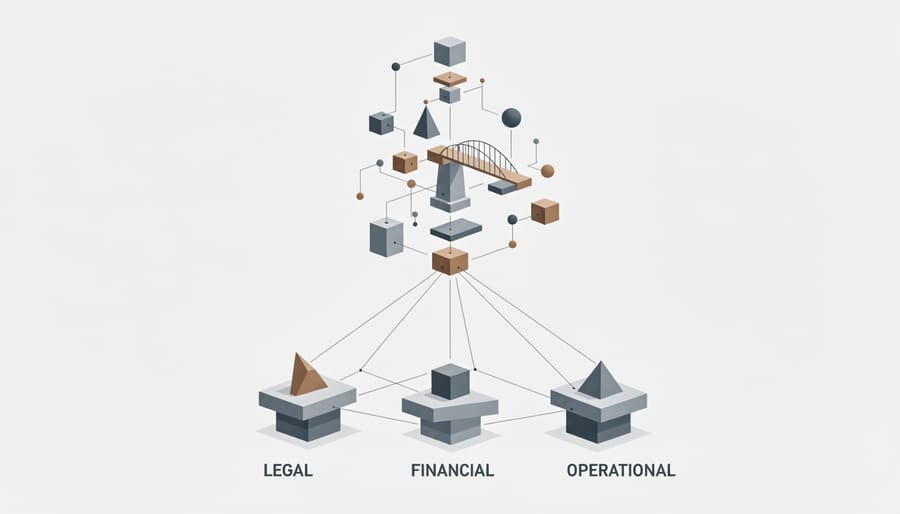
Step 1: Conduct a Pre-Sale Business Assessment (Months 1-2)
Start by gathering your last three years of financial statements, tax returns, and operational data. Review revenue trends, profit margins, and cash flow patterns to identify strengths and weaknesses that buyers will scrutinize. Evaluate whether your business can operate independently of you, look at management depth, documented processes, and customer concentration risks.
Assess your market position within Calgary’s economy. If you’re in energy services or technology, examine how current sector performance affects buyer demand. Consider how the Calgary climate of economic conditions, including recent diversification efforts, foreign investment interest, and competitive dynamics, shapes your timing and pricing strategy.
Create an honest inventory of transferability factors: lease terms, key contracts, intellectual property documentation, and vendor relationships. Identify gaps between your current state and what sophisticated buyers expect. This assessment reveals which preparation steps require immediate attention and helps you set realistic timelines and valuation expectations before engaging advisors.
Step 2: Organize and Audit Financial Records (Months 2-4)
Buyers and their lenders will dissect your financial records with intense scrutiny, making this two-month window critical for establishing credibility. Start by gathering three to five years of complete financial statements, tax returns, accounts receivable and payable aging reports, and general ledgers. Work with your accountant to ensure all records follow consistent accounting methods and reconcile any discrepancies between tax filings and management reports.
Next, identify and document all owner discretionary expenses, personal vehicle use, family payroll, excessive travel, home office costs, and above-market owner compensation. These adjustments, called “add-backs,” reveal the true earning potential available to a buyer. For example, if you pay yourself $200,000 annually when market rate for a replacement manager is $100,000, that $100,000 difference becomes an add-back that increases normalized EBITDA.
Calculate normalized EBITDA (Earnings Before Interest, Taxes, Depreciation, and Amortization) for each year by starting with net income, adding back the standard EBITDA items, then adding your documented owner discretionary expenses. This figure becomes the foundation of your valuation. Calgary buyers increasingly expect this analysis ready-made, not something they need to reconstruct themselves. Missing or inconsistent records raise red flags that kill deals or slash valuations by 20-30%. Clean financials signal a professional operation worth premium pricing.
Step 3: Obtain a Professional Business Valuation (Month 4)
A professional business valuation provides the financial foundation for your entire sale strategy. Without it, you’re guessing at price expectations and risk leaving money on the table or scaring away serious buyers with unrealistic numbers.
Select a Chartered Business Valuator (CBV) with demonstrated experience in Calgary’s market and your specific industry. Ask candidates how they account for Alberta’s economic cycles, sector-specific trends, and local market multiples. Request sample reports and references from recent Calgary transactions.
The valuation process typically takes three to four weeks. Your valuator will analyze financial statements, compare your business to recent Calgary sales, assess market conditions, evaluate growth potential, and identify risk factors affecting value. You’ll receive a detailed report showing your business’s fair market value range and the methodology behind it.
This valuation serves three critical purposes: it sets a realistic price range, reveals specific weaknesses reducing value that you can address in Steps 5 and 6, and provides credible documentation that sophisticated buyers and their lenders expect. Budget $5,000 to $15,000 depending on business complexity.
Step 4: Address Legal and Compliance Issues (Months 5-7)
Working with qualified legal counsel during months 5-7 ensures your business presents a clean legal profile to potential buyers. Start by engaging a business lawyer experienced in Alberta mergers and acquisitions to conduct a comprehensive legal audit.
Update your corporate records first: confirm your business registration is current with Alberta Corporate Registry, verify minute books are complete, ensure shareholder agreements reflect current ownership, and file any overdue annual returns. These foundational documents receive immediate scrutiny during due diligence.
Review all contracts and leases with your lawyer. Identify change-of-control provisions that require consent for transfer, note upcoming renewal dates, and assess whether key agreements (supplier contracts, customer commitments, commercial leases) are transferable or create obstacles. For Calgary businesses, commercial lease assignments often require landlord approval, address this early to avoid deal-killing surprises.
Document intellectual property ownership clearly: register trademarks if unregistered, confirm copyright ownership of proprietary materials, and secure assignments from contractors or employees who created IP. Ensure regulatory compliance specific to your industry, health permits, professional licenses, environmental compliance certificates, or industry-specific Alberta regulations.
Finally, resolve outstanding disputes, liens, or potential liabilities. Buyers expect representations and warranties about legal matters; unresolved issues reduce your business value or derail transactions entirely.
Step 5: Reduce Owner Dependency and Document Operations (Months 6-10)
Buyers pay significantly more for businesses that don’t collapse without the owner. If you’re the sole decision-maker for operations, sales, and customer relationships, you’ve created a job, not a saleable asset. Calgary buyers, whether strategic acquirers or financial investors, consistently walk away from businesses where the owner is irreplaceable.
Start by documenting every critical process in writing. Create standard operating procedures for customer onboarding, service delivery, quality control, supplier management, and financial workflows. These don’t need to be elaborate manuals; simple step-by-step guides in Google Docs or process management software work fine. The goal is that a competent manager could run daily operations using your documentation.
Strengthen your management layer by promoting or hiring a general manager or operations lead who handles day-to-day decisions. Shift client relationships to account managers rather than keeping them tied to you personally. Train staff to solve routine problems independently instead of escalating everything to your desk.
Test the system by stepping back. Take a two-week vacation where you don’t check email or answer calls. If the business runs smoothly, you’ve reduced dependency. If fires erupt, you’ve identified gaps to address before buyers start their due diligence.

Step 6: Optimize Financial Performance (Months 8-14)
Buyers pay premium prices for businesses showing consistent upward momentum, not those coasting or declining. During months 8-14, focus on improving the metrics buyers scrutinize most: revenue growth, profit margins, and customer concentration.
Start by trimming expenses that don’t contribute to revenue generation. Review every line item in your P&L and eliminate redundancies, renegotiate supplier contracts, and defer non-essential capital expenditures that won’t deliver returns before sale. Understanding Calgary’s competitive cost of doing business helps identify where you can improve margins without sacrificing quality. Even modest improvements, 2-3% margin gains, compound into significant valuation increases.
Strengthen customer relationships by reducing concentration risk. If your top three clients represent more than 50% of revenue, actively pursue new accounts and expand existing smaller relationships. Document contract renewals, secure longer-term agreements where possible, and create predictable recurring revenue streams.
Time these improvements around Calgary’s economic cycles. If your sector follows energy market patterns or seasonal demand, ensure your best quarters fall within the 6-12 months immediately before listing. Buyers extrapolate recent performance, so finish strong. The cost of business optimization during this window directly translates to higher offers and faster closes.
Step 7: Prepare Marketing Materials and Confidential Information Memorandum (Months 15-16)
With operations documented and financials optimized, you need professional materials that present your business compellingly to qualified buyers while protecting sensitive information.
Start with a teaser document: a one-page anonymous summary highlighting industry, revenue range, location, and growth opportunity without revealing your identity. This pre-qualifies buyers before they access detailed information.
The Confidential Information Memorandum is your comprehensive business showcase. Work with your M&A advisor to include executive summary, detailed financials with normalized EBITDA, operational structure, customer and supplier relationships, competitive advantages, and growth opportunities. Position Calgary’s strengths: access to skilled talent, business-friendly environment, proximity to markets, and quality of life that makes this a desirable place to work and live. Emphasize sector-specific advantages relevant to your industry, whether energy diversification, technology infrastructure, or logistics access.
Professional presentation matters. Invest in clean formatting, clear data visualization, and third-party verification of key claims. Your advisor should handle distribution, track document access, and require signed non-disclosure agreements before releasing the CIM to protect confidentiality throughout the process.
Step 8: Develop Your Exit and Transition Strategy (Months 16-18)
Your transition strategy determines whether the sale closes successfully and whether the business thrives under new ownership. Start by deciding your ideal post-sale involvement: most Calgary deals include 30-90 days of hands-on transition, while some buyers request 6-12 months of consulting availability. Document your preferred timeline and non-negotiables before negotiations begin.
Create a transition roadmap identifying which relationships you’ll personally hand off (key customers, suppliers, landlords), which operational knowledge requires direct transfer, and how you’ll introduce the new owner to staff. Prepare employees strategically, senior managers often learn earlier to ensure continuity, while broader announcements typically happen closer to closing to prevent disruption.
Structure your exit to align financial goals with deal terms. If you’re pursuing maximum cash at closing, ensure operations can transfer quickly. If you’re accepting seller financing or earnouts, plan deeper involvement during the transition period to protect that deferred value.
Address personal readiness honestly. Calgary business owners often underestimate the emotional adjustment of letting go. Define what success looks like post-sale, retirement, new venture, advisory roles, so you can transition with purpose rather than regret.
How to Verify Your Business Is Sale-Ready
Before approaching buyers or listing your business, verify you’ve met the minimum preparation standards through these concrete readiness criteria:
- Financial documentation is complete, accurate, and normalized for the past three to five years, with clear EBITDA calculations and owner discretionary expense adjustments
- All legal and compliance matters are resolved, including updated corporate records, reviewed contracts, clear intellectual property ownership, and documented regulatory compliance
- Operations are systematized with written procedures, and the business demonstrates it can function effectively without your daily involvement for at least 30 consecutive days
- Professional business valuation is current (within six months) and you can justify your asking price with market comparables and financial performance trends
- Confidential Information Memorandum and supporting marketing materials are professionally prepared, reviewed by legal counsel, and ready to share with qualified buyers
- Management team or key employees are capable of handling day-to-day decisions, and you’ve identified any retention risks that need to be addressed in the sale structure
- Revenue is stable or growing over the past 12-18 months, with no single customer representing more than 15-20 percent of total sales
- You have clear answers to fundamental buyer questions: why you’re selling, what the transition period looks like, and what post-sale role (if any) you’re willing to play
Test your readiness through pilot discussions with your advisory team. Schedule separate meetings with your accountant, lawyer, and M&A advisor to present your materials and receive candid feedback on gaps or weaknesses. These professionals can identify issues buyers will scrutinize before you invest time in active marketing.
Consider conducting a soft market test by having your advisor gauge preliminary interest from one or two potential buyers in their network. This limited outreach, done confidentially, reveals how Calgary buyers respond to your business profile and pricing expectations without formally listing. The feedback helps you make final adjustments before committing to a full sale process.
If verification reveals gaps, address them before proceeding. Rushing to market with incomplete preparation reduces your negotiating leverage and can signal desperation to experienced buyers.
Next Steps After Preparation Is Complete
With your business sale-ready, focus on three immediate priorities: choosing your sale approach, timing the market entry, and sustaining performance through closing.
Select Your Sale Method
Calgary business owners typically pursue one of three paths. Engaging a business broker suits smaller businesses valued under $2 million, offering access to local buyer networks and transaction management. M&A advisors serve mid-market companies ($2-20 million), providing sophisticated buyer targeting, negotiation expertise, and deal structuring. Direct outreach works when you’ve identified strategic buyers in your industry, though it demands significant time and confidentiality management skills.
Interview multiple advisors before committing. Evaluate their Calgary market knowledge, sector experience, recent comparable transactions, and fee structures. Most charge success-based fees (8-12% for brokers, 3-8% for M&A advisors), making alignment on value expectations critical.
Time Your Market Entry
Calgary’s business sale market follows economic cycles tied to energy sector performance and broader Alberta conditions. Monitor M&A activity reports from Calgary Economic Development and regional business publications. Strong periods feature increased buyer confidence, favorable lending conditions, and competitive bidding. Avoid rushing to market during economic downturns unless business circumstances force it.
Maintain Business Performance
Buyers walk away when they discover declining metrics during due diligence. Continue executing your operating plan, hitting financial targets, and strengthening customer relationships throughout the six-to-twelve-month active sale period. Staff retention matters enormously, communicate thoughtfully and maintain team stability.
Collaborate closely with your advisory team, providing responsive communication and complete documentation as buyer interest develops.
Frequently Asked Questions
How much does it cost to prepare a Calgary business for sale?
Preparation costs typically range from $15,000 to $75,000 depending on business size and complexity, covering professional valuations, legal reviews, accounting clean-up, and advisory fees. While this represents a significant investment, proper preparation routinely increases final sale prices by 20-40%, making it one of the highest-return expenditures in the exit process.
Can I prepare my business for sale without hiring advisors?
You can handle some preparation tasks independently, but Calgary business owners who work with experienced advisors achieve better outcomes. Professional valuators, accountants familiar with transaction structures, and legal counsel catch issues that derail deals and help position your business to attract premium buyers in Calgary’s competitive market.
How do I keep the sale preparation confidential from employees and competitors?
Work with advisors who use non-disclosure agreements, avoid discussing plans with staff until necessary, and use coded language in public communications. Most preparation activities look like normal business improvement initiatives, so focus your team on operational excellence rather than sale-specific language until you’re ready to announce.
What if Calgary’s economy weakens during my preparation period?
Economic cycles are part of doing business in Calgary, so build flexibility into your timeline. If conditions deteriorate significantly, you can pause the active sale process while maintaining the improvements you’ve made, then re-engage when the market strengthens or buyer confidence returns.
Should I continue investing in the business while preparing for sale?
Yes, maintain normal operations and strategic investments that strengthen fundamentals. Buyers spot businesses in decline quickly, and deferred maintenance or reduced marketing damages value more than the short-term savings. Focus investments on areas that directly improve profitability, reduce owner dependency, or address known weaknesses.
How hands-on do I need to be during the 12-18 month preparation?
Expect to dedicate 5-10 hours weekly working with advisors, reviewing financials, and implementing improvements, especially in the early assessment and documentation phases. As you systematize operations and reduce owner dependency, your direct involvement should decrease, which itself demonstrates the business is ready for new ownership.
These questions reflect concerns that come up repeatedly when Calgary owners begin planning their exits. The preparation timeline feels long when you’re eager to move on, but rushing the process or skipping professional guidance creates problems that surface during due diligence and negotiations. Buyers will scrutinize every aspect of your business, so the time and money invested upfront pays dividends when you’re fielding offers and working toward close.
Thorough preparation transforms what could be a rushed, undervalued transaction into a strategic exit that maximizes your business’s worth and attracts serious buyers. The 12-18 month timeline we’ve outlined isn’t arbitrary, it reflects the reality of cleaning financials, reducing owner dependency, addressing legal issues, and positioning your Calgary business within the context of regional market cycles and sector-specific buyer expectations.
Working with professionals who understand Calgary’s economic landscape, from valuators familiar with sector-specific multiples to legal advisors versed in Alberta regulations, significantly improves outcomes. These partnerships help you navigate regional considerations that out-of-market generalists often miss.
Begin your preparation journey with an honest assessment of where your business stands today. Identify gaps in financial documentation, operational systems, or legal compliance that need attention. Connect with Calgary Economic Development resources, local M&A advisors, and business associations that support owners through the exit planning process. The effort you invest now directly correlates to the value you’ll capture when the right buyer emerges.